


Numerous studies show that breast cancer is the most common cancer to affect women, however with early screening and quality treatment the survival rate significantly increases. Mammography plays a central role in the early detection of breast cancer, and other breast diseases.
Routinely, a mammogram consists of both a top and side view of each breast, however additional views can be taken. The mammogram is followed by breast ultrasound. If necessary, conventional mammography is combined with tomosynthesis, breast biopsy or breast MRI.
Take note:
Depending on the area that will be examined, you may want to wear loose, comfortable clothing. You may be asked to change into a gown for the examination and to remove any jewellery or other metallic items from your body before the examination.
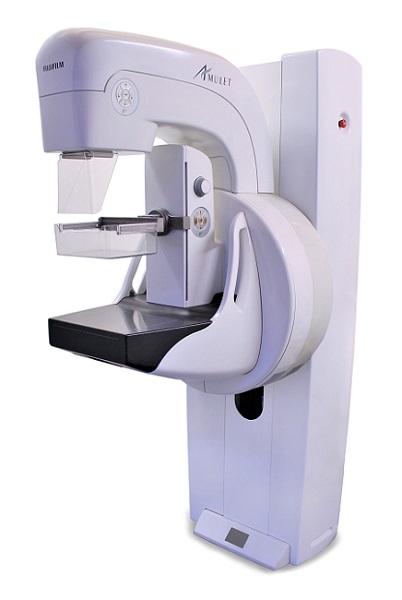
Your breast will be placed on a flat support plate and gently compressed with a second plate. On exposure, a small burst of ionizing radiation will pass through the breast to a detector, which will produce a digital image (called a mammogram).
Screen Her Save Her Non-Profit
Screen Her Save Her is a non-profit initiative and proud partner of RadDX Radiology, dedicated to raising awareness about the importance of annual breast cancer screenings for early detection and prevention.
We believe that by joining hands - individuals, communities, healthcare providers, and organisations - we can drive real change. Help us spread this vital message and empower more women to prioritise their health.

Frequently Asked Questions
Most medical aids cover the cost of a mammogram, or you can pay privately if you choose not to claim. For more information, feel free to contact us.
Breast Self Examination
In front of a mirror
Check for any changes in the look and feel of your breasts such as dimpling, size difference or nipple discharge. Inspect 4 ways: arms at sides; arms overhead, firmly pressing hands on hips; and bending forward.
Laying down
Lie on your back with a pillow under your right shoulder and your rand hand under your head. With the 4 fingers of your left hand make small circular motions, follow an up-and-down pattern over the entire breast area, under the arms and up to the shoulder bone, pressing firmly. Repeat on the other side.
Whilst bathing
With your right arm raised, check your right breast with a soapy left hand and fingers flat using the same method described in Step 2. Repeat on the other side.
What to look out for?
Look for changes in the skin texture such as puckering or dimpling. Feel for lumps and thickening. Look for nipple discharge. Look for nipple inversion and changes in direction. Look for swelling in your armpit or around your collar bone. Feeling constant pain in your breast or armpit. Look for a change in size and shape. Look for a rash.